Exploring Plant and Animal Cells: Grade 6
Introduction to Cells: The Tiny Building Blocks of Life
Have you ever built a giant castle out of LEGO bricks? Just like a castle is made of tiny individual bricks, all living things on Earth—including trees, flowers, dogs, insects, and even you—are made of tiny building blocks called cells!
Cells are so microscopic that you cannot see them with your bare eyes. Scientists use special magnifiers called microscopes to study them. While all cells share basic jobs, plant cells and animal cells have some important differences.
1. The Animal Cell
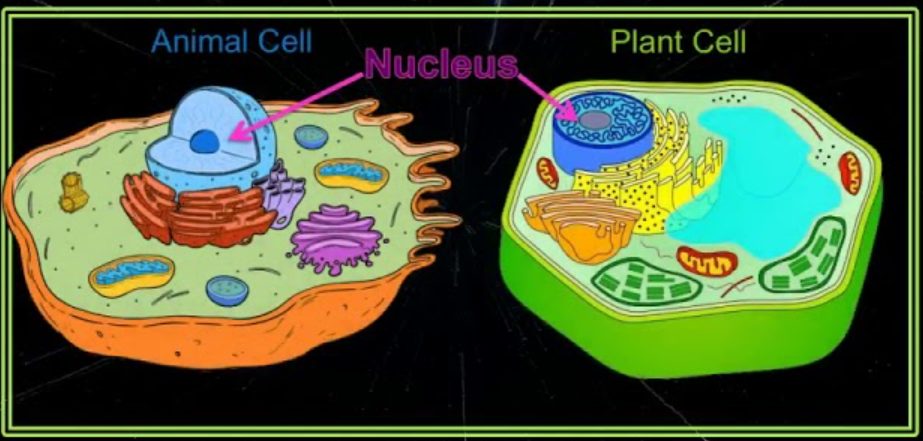
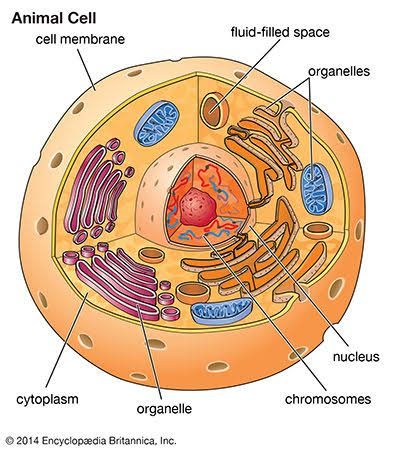
Animal cells make up all animals, from tiny goldfish to giant elephants, as well as humans! Animal cells are usually soft, flexible, and come in round or irregular shapes.
Key Parts of an Animal Cell (Organelles)
Inside a cell are smaller parts that do specific jobs, called organelles ("little organs"). Here are the main parts of an animal cell:
- Cell Membrane: The flexible outer skin of the cell. It acts like a security guard, controlling what comes in (like water and food) and what goes out (like waste).
- Nucleus: The "brain" or command center of the cell. It contains instructions (DNA) that tell the cell how to grow, function, and divide.
- Cytoplasm: A clear, jelly-like fluid that fills the cell and keeps all the organelles floating safely in place.
- Mitochondria: The "powerhouses" of the cell. They turn nutrients from the food you eat into energy the cell can use.
- Vacuoles: Small storage bags that hold water, nutrients, and waste materials. Animal cells usually have several small vacuoles.
2. The Plant Cell
Plant cells make up trees, grass, flowers, and fruits. Unlike animals, plants cannot walk around to find food or shelter, so their cells have special features to help them make their own food and stay upright.
Key Parts of a Plant Cell
Plant cells have all the same basic parts as animal cells (Nucleus, Cytoplasm, Mitochondria, Cell Membrane), PLUS three extra super-powered parts:
- Cell Wall: A rigid, tough outer layer made of cellulose that surrounds the cell membrane. It acts like armor, giving the plant cell a neat, box-like shape and helping the plant stand tall without bones.
- Chloroplasts: Tiny green factories containing a pigment called chlorophyll. Chloroplasts catch sunlight and combine it with water and carbon dioxide to make food (sugar) for the plant. This process is called photosynthesis!
- Large Central Vacuole: Instead of many tiny vacuoles, a plant cell has one giant vacuole in the middle filled with water. When full, it pushes against the cell wall to keep the plant firm and upright. If a plant droops, its central vacuole needs water!
3. Quick Comparison: Plant vs. Animal Cells
4. Fun Facts!
- Did you know? An ostrich egg is actually a single cell! It is one of the largest single cells in the world.
- Why are plants green? Plants look green because of chlorophyll, the green chemical inside chloroplasts that traps sunlight!
Check Your Knowledge!
Test what you learned today with these review questions:
- Which part of the cell is known as the "control center" or "brain"?
- What two organelles does a plant cell have that an animal cell does NOT have?
- Why do plants need a rigid cell wall, but animals do not?